all books are available for purchase on Amazon. clicking the thumbnail image or book title will take you to its Amazon page.
toy camera
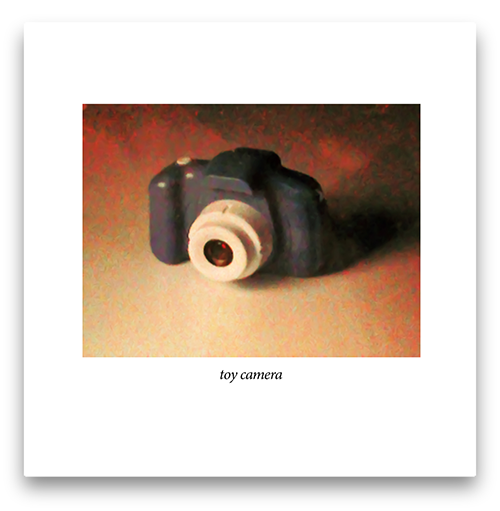
A child's toy promises simplicity. Point. Press the button. See what happens.
Yet every camera, no matter how sophisticated or inexpensive, is an apparatus for translation rather than transcription. Light becomes voltage. Voltage becomes numbers. Numbers become color, shadow, and form. What we finally recognize as a photograph is not reality itself, but a reconstruction assembled from fragments of information.
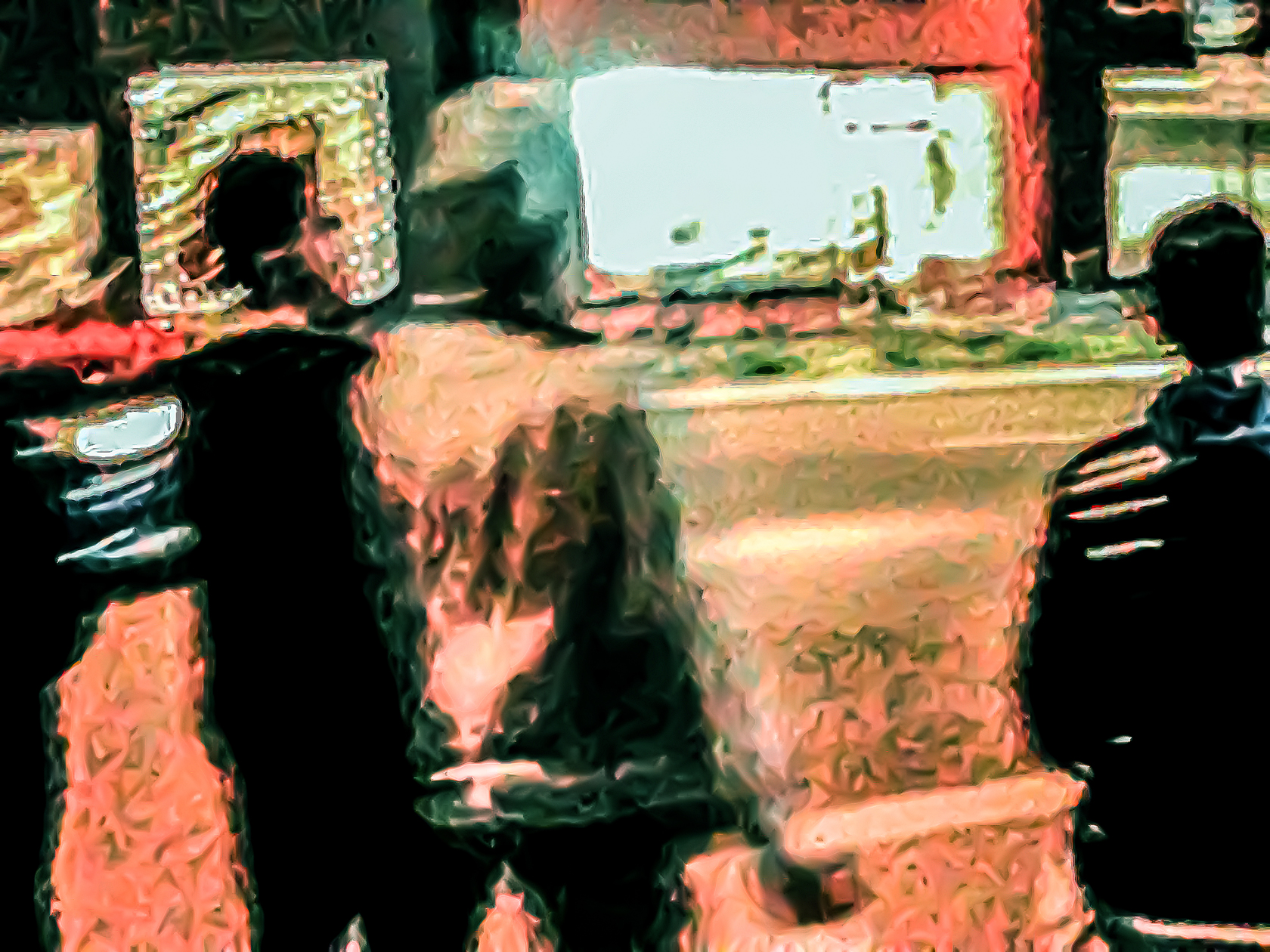
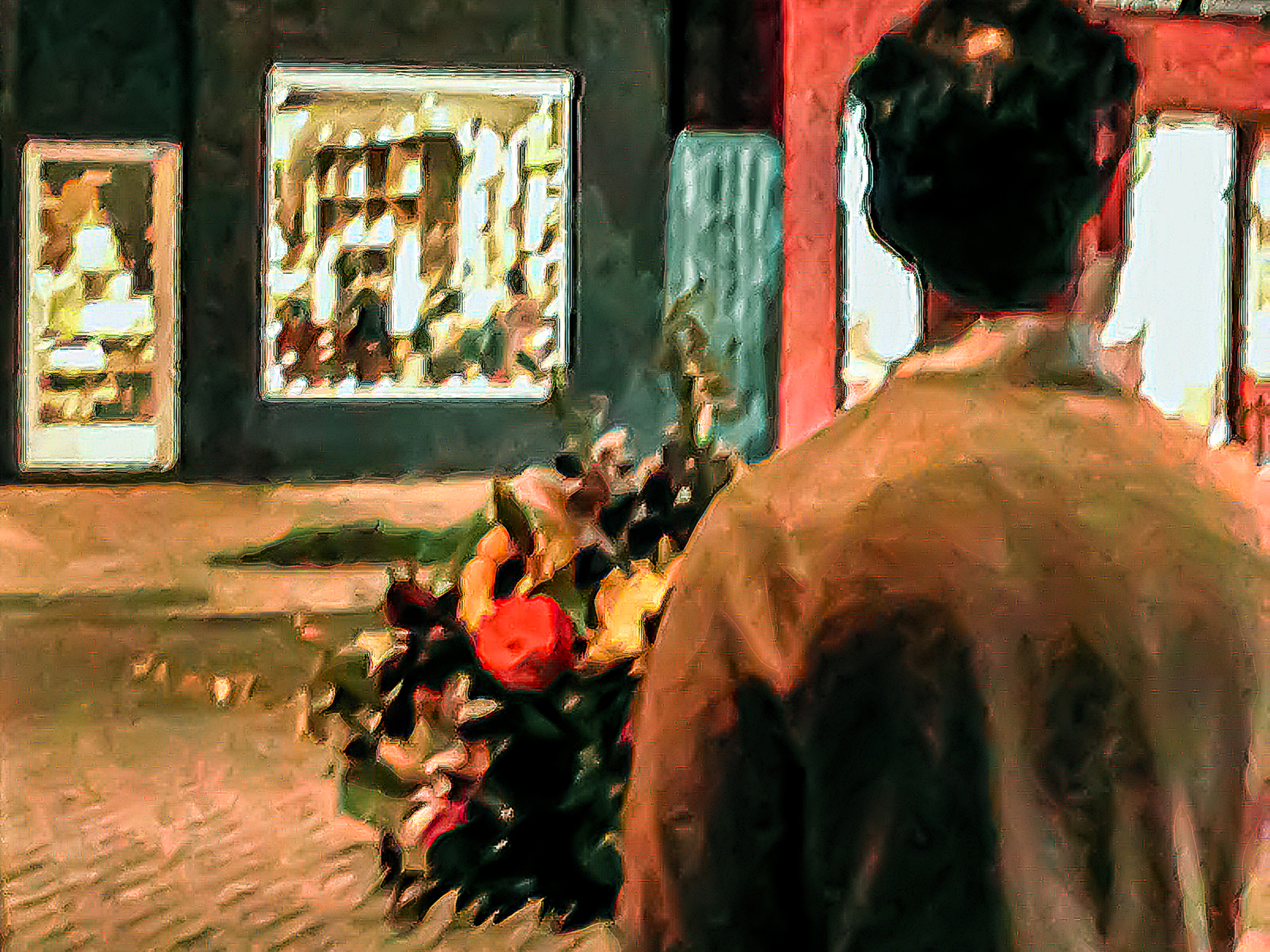
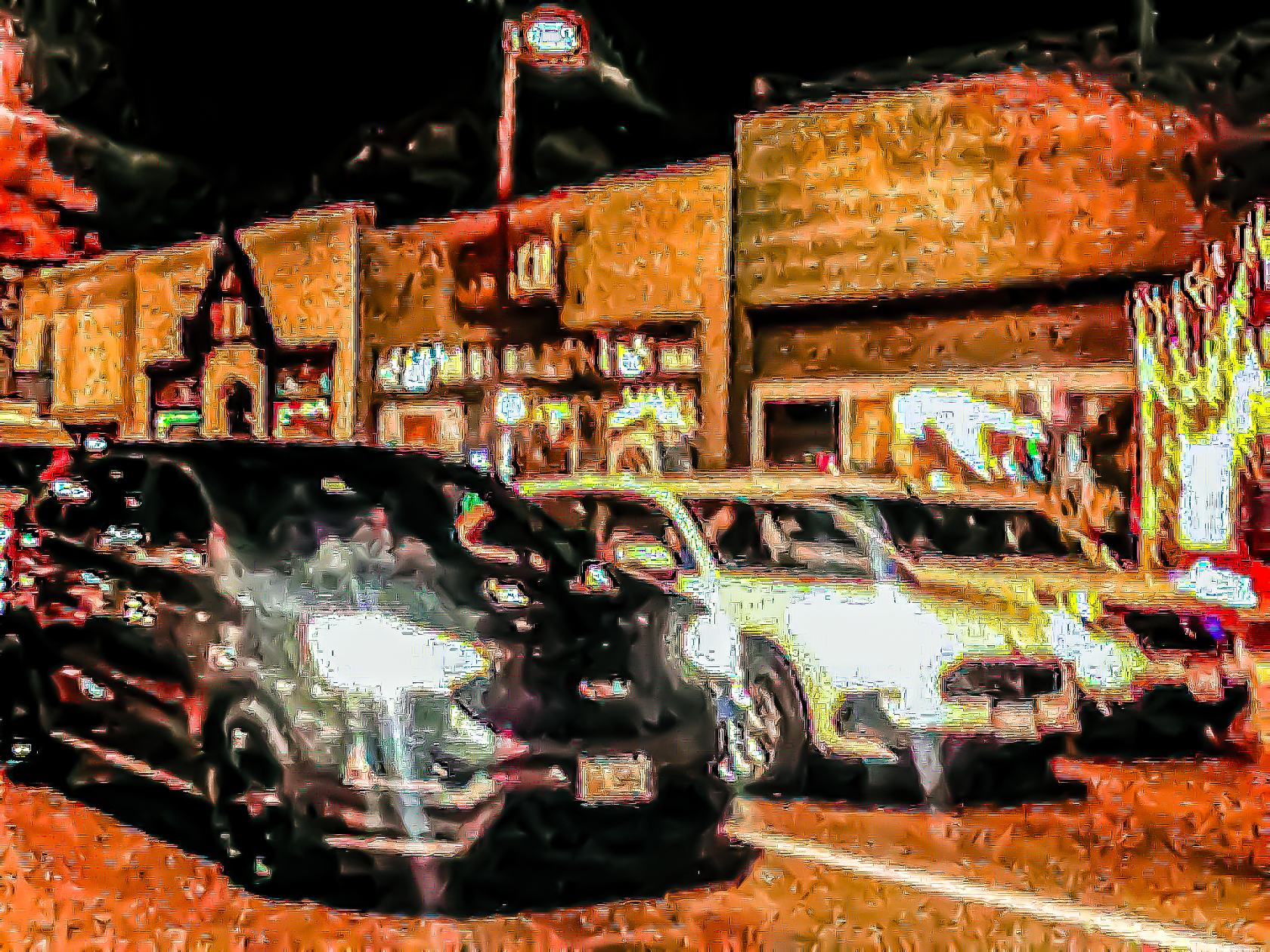
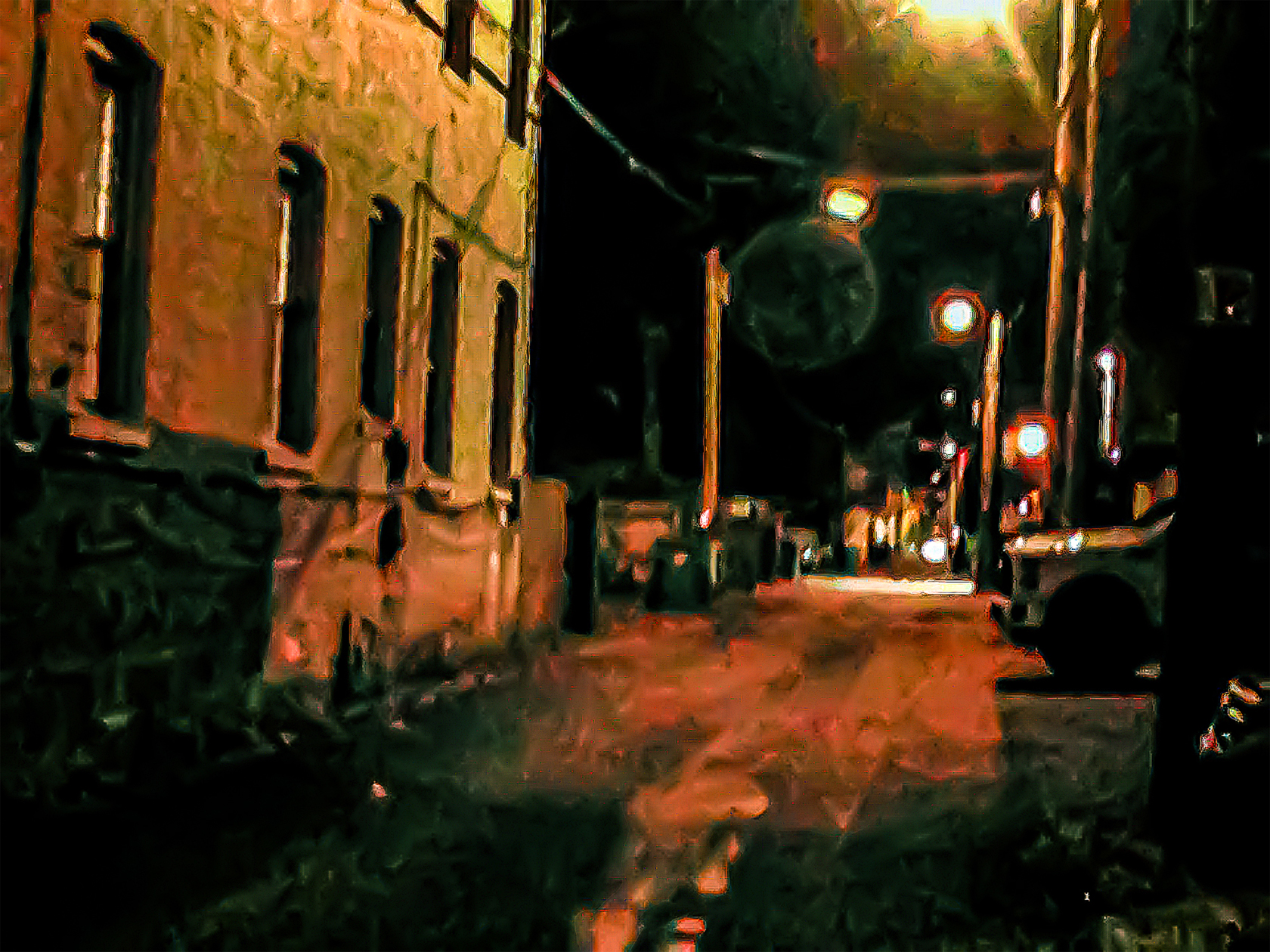
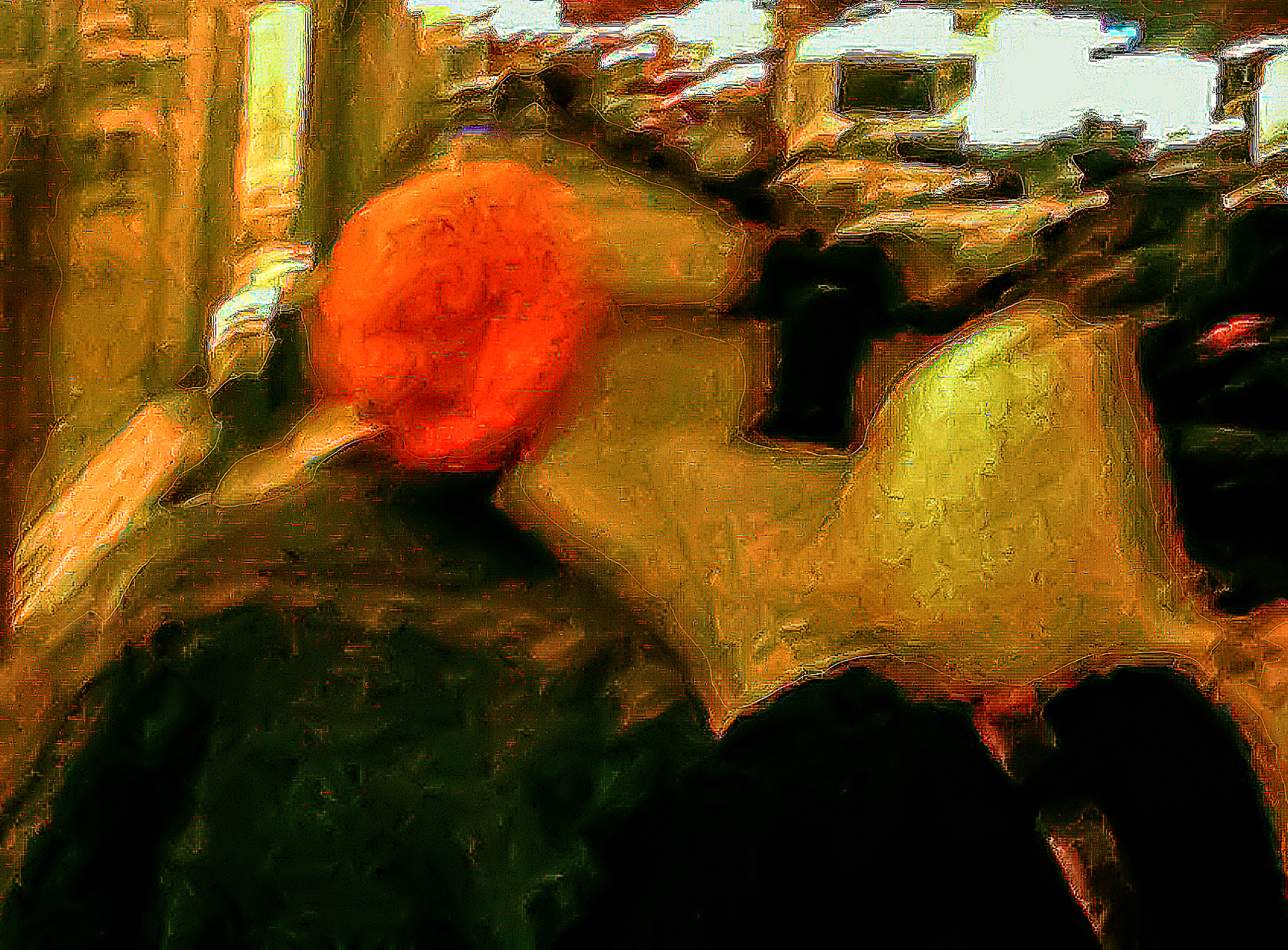
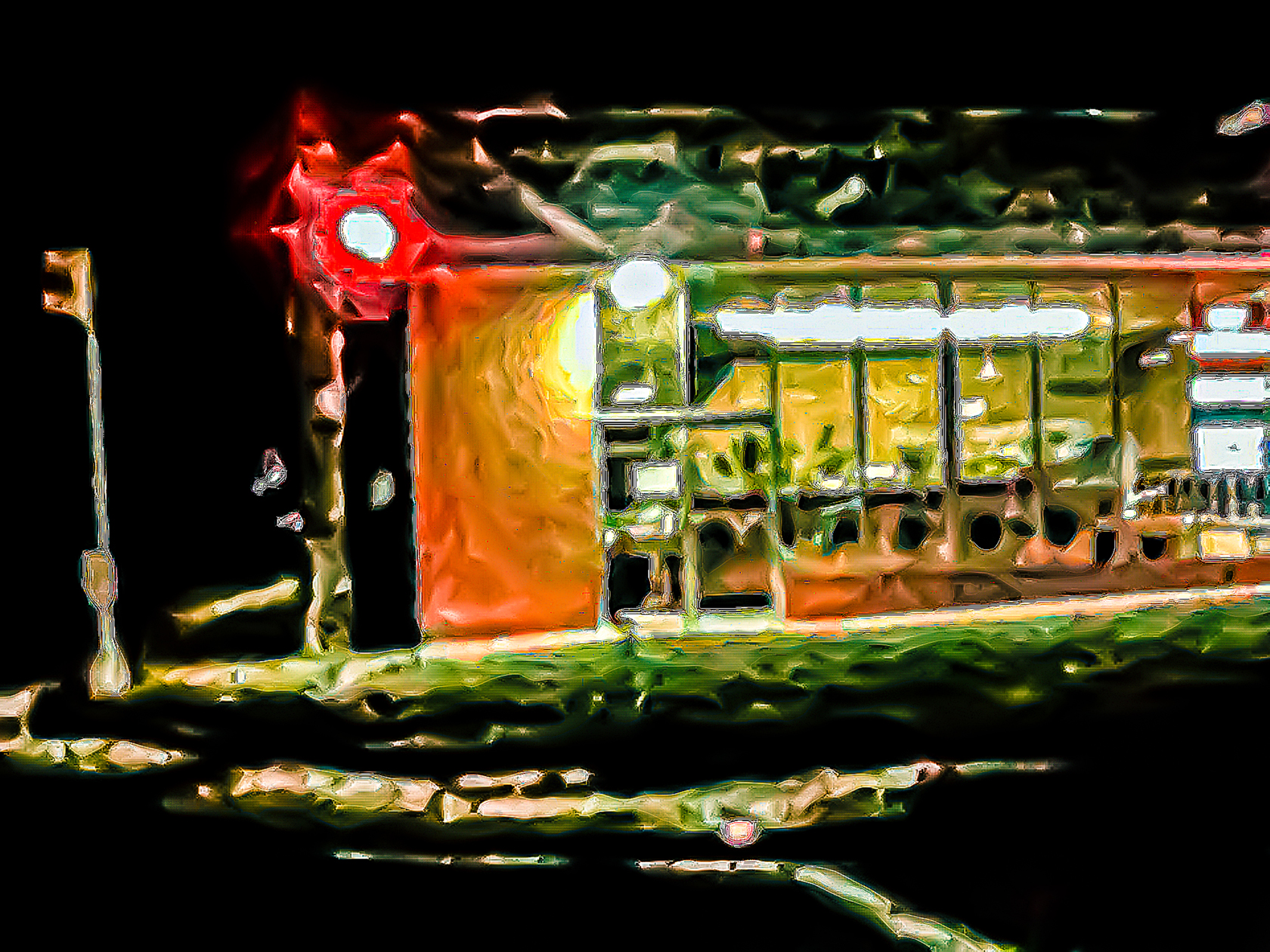
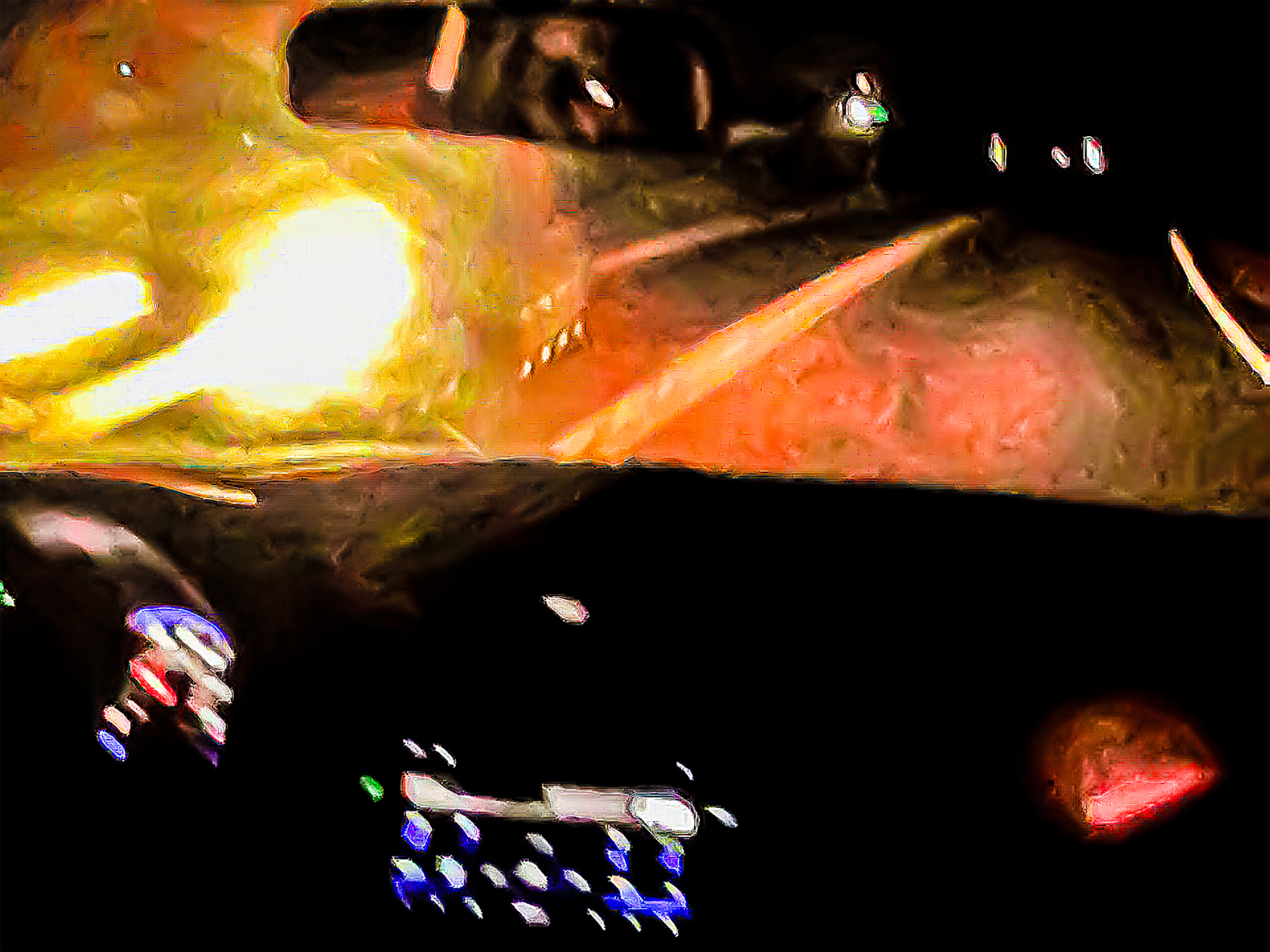
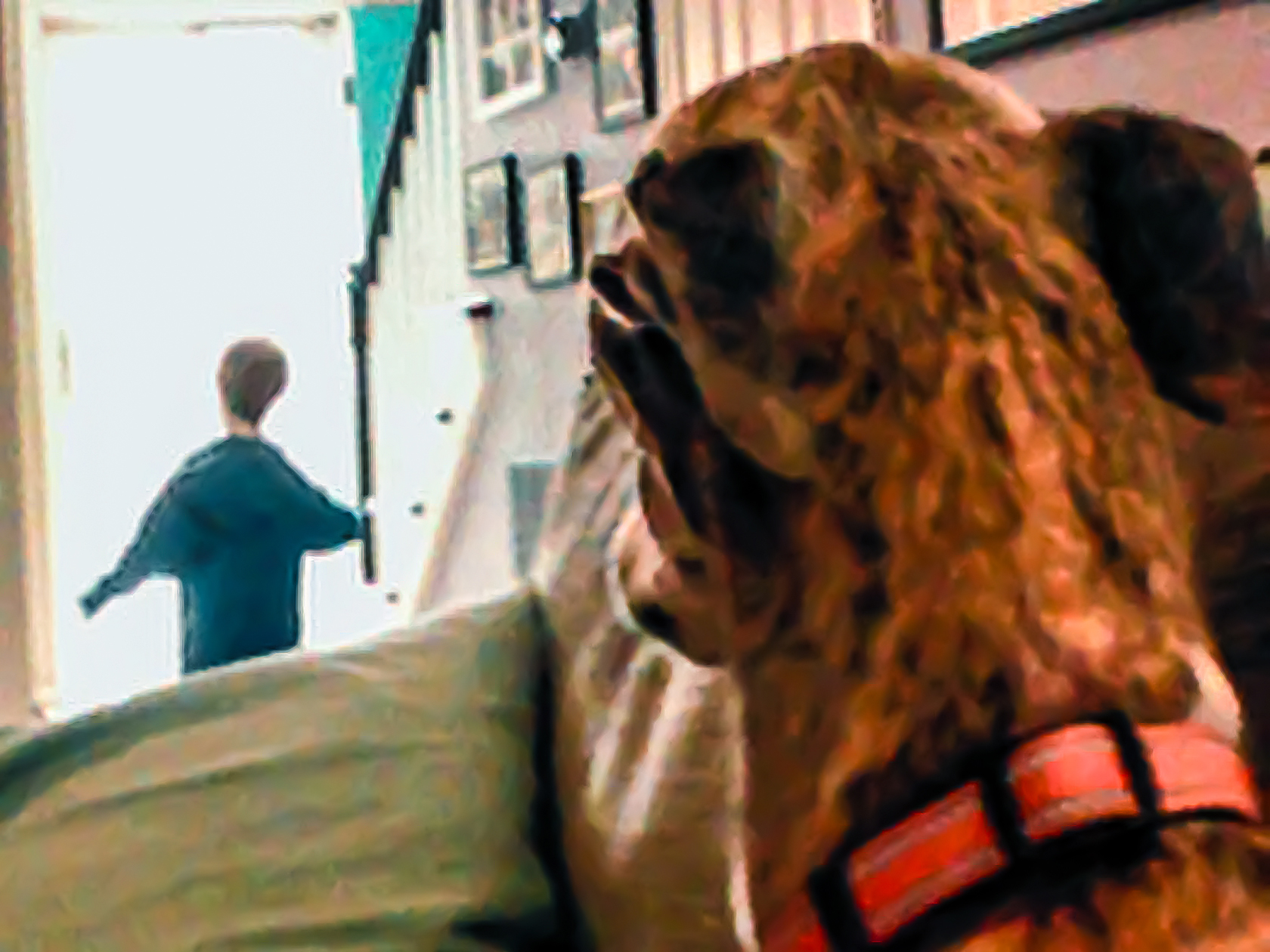
Made with a camera intended for children ages three and up, these photographs continue an ongoing exploration of perception, the architecture of the digital image, and the emotional space that exists between the world as filtered through the human eye and the world as filtered through technology. The limitations of the camera—its crude sensor, uncertain color, clipped highlights, blocked shadows, and imperfect rendering—become expressive rather than corrective. They expose the mechanics hidden behind increasingly sophisticated imaging systems.
These images exist somewhere between photograph, memory, and painting. Familiar streets, passing automobiles, evening skies, and ordinary landscapes are transformed into fields of color and luminous structure where detail gives way to sensation. Silicon interprets light, algorithms invent continuity, and the emotional truth of a place survives even as its descriptive certainty dissolves.
The toy camera reminds us that every photograph, regardless of the device that produced it, is an interpretation. Reality is never reproduced; it is translated.
sample images